For those of you who don't know, a sideboard is an additional 15 cards added to a deck that can be swapped into the “maindeck” on a 1-for-1 basis (i.e. you have to take a card out of the maindeck every time you bring one in from the sideboard). The sideboard, which must be exactly 15 cards, is meant to enhance match-ups by tuning the deck.
What cards are in your sideboard are often determined by the meta-game that you as a player will be facing. If you think that it will be control heavy, then you will use cards that will make your deck better against control. If you think it will be aggro heavy, then you include cards that can shut down aggro. It is somewhat of a personalized matter based on what cards you think are good against the meta-game and based on what cards you want to side out of your deck.
In some cases decks also feature what are called “transformational sideboards” wherein the deck tries to do something entirely different in the second game of the match than it did in the first. This could be changing from an aggro deck to a mid-range or maybe even a combo or control deck. With only 15 cards at your disposal, this is hard to pull off, but some decks will allow you to do it.
Boss Naya is a deck that features a transformational sideboard in all of its incarnations (so far at least), but certain other sideboard options are still being tested and debated.
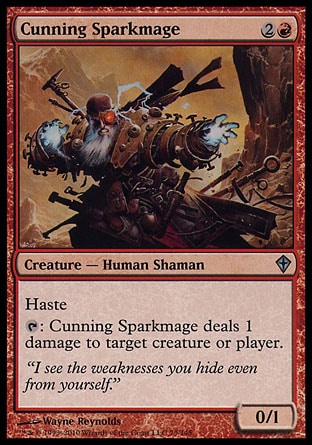
The transformation featured in each sideboard is the inclusion of Cunning Sparkmage, which pairs with Basilisk Collar, a combo that can kill almost every creature in the game. This package is brought in when the deck faces other aggro and creature-based decks (read: Baneslayer), opting for more removal while boarding out the Ranger of Eos and Wild Nacatl toolbox, which is much better against decks that are trying to control the board and not as interested in playing creatures.
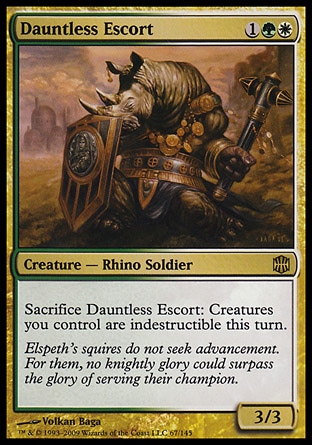
Against control decks putting out continual threats is much more important, so the vaunted equipment packed is replaced by Dauntless Escort, Manabarbs, and whatever other removal hate people think is good. I've seen Great Sable Stag and Summoning Trap boarded for this deck. Just saying.
Jund is a difficult match-up at all times. Generally, the idea is to bring in more Behemoth Sledge and try to play more threats than they can handle with their removal. However, another method is to bring in the Sparkmage combo and try to eliminate their threats, though in this case you would not board out the Ranger of Eos package. I'm not sure which is really better, and I guess as a player you will have to decide (if you choose to play this deck).
Sideboarding is an art that requires a lot of time spent with the deck and is based on the meta-game and specifically who your opponent is (and what you think you can get away with against him). There isn't any one way to go about it, and it often times the correct choices in one meta (like a major tournament) are much different than the correct choices in another (your local card shop's weekly events). What is important, especially when net-decking, is to realize why players made the choices they did before you go trying to change anything.
That doesn't mean that you should be afraid to make changes to a deck or to its sideboard. Decks are living organisms, if you will, and need to be adjusted to fit meta-games or even just so they don't get outdated. But you should be intelligent when going about it and understand what components you are replacing in the deck and why.
Upcoming: Changes I've made and considered making to Boss Naya
Check us out at: sites.google.com/site/teamdamageonthestack

Subscribe to:
Post Comments (Atom)







No comments:
Post a Comment